What's On > News
Cup Project Grey Lynn: Upcycling against single use coffee cups
 Grey Lynn, a vibrant and community-focused suburb in Auckland, New Zealand, has long been known for its proactive approach to environmental sustainability. In line with this ethos, the “Cup Project Grey Lynn” emerged as a grassroots initiative aimed at tackling the significant issue of single-use takeaway coffee cups contributing to landfill waste.
Launched in July 2020, coinciding with Plastic Free July, the Cup Project was a collaborative effort spearheaded by Grey Lynn 2030 Waste Away, bringing together local cafes, schools, and various community organizations. The core objective was simple yet impactful: to reduce the number of disposable coffee cups used in the Grey Lynn area.
The Koha Cup: A Symbol of Reuse
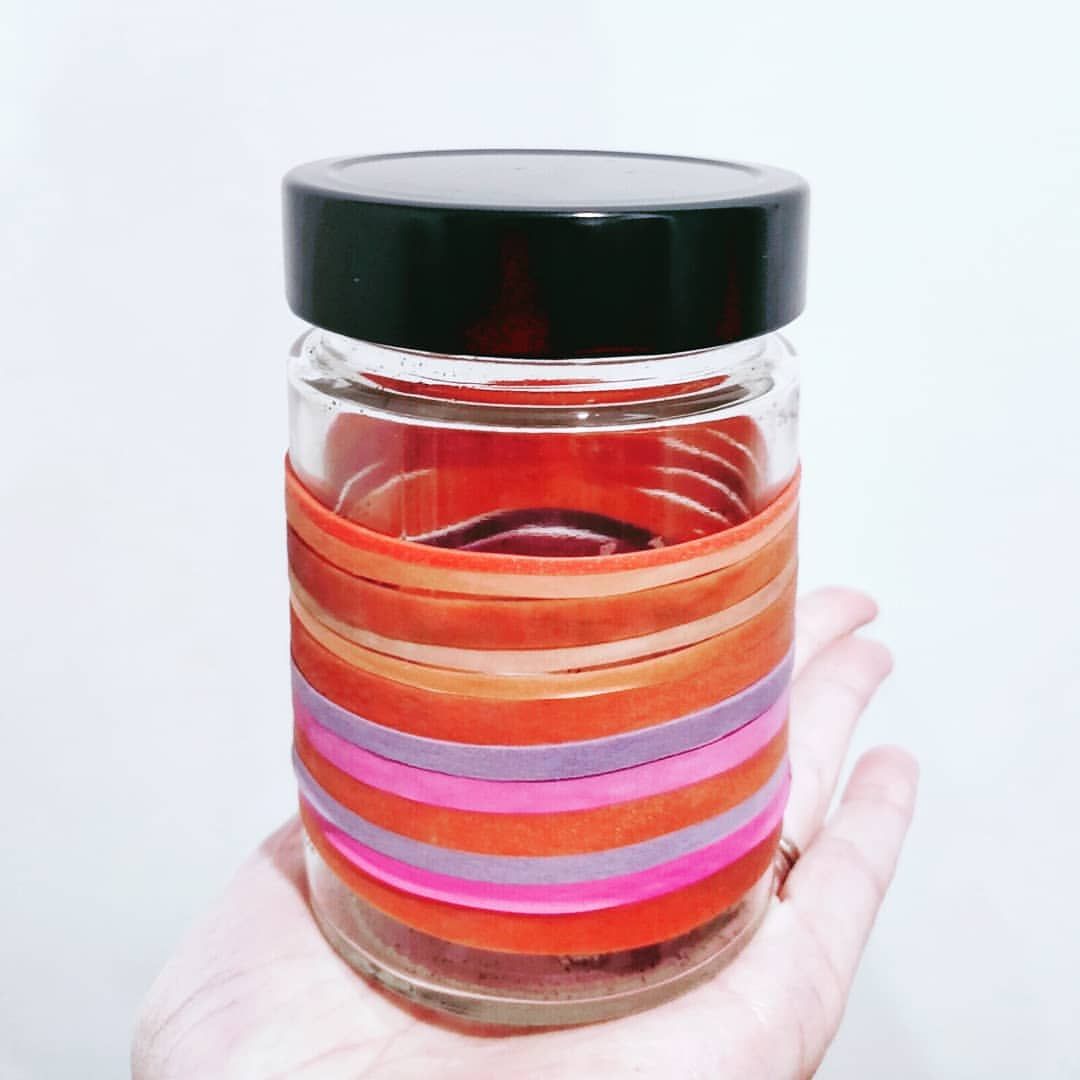
At the heart of the Cup Project was the innovative “#KohaCup.” These weren’t your typical mass-produced reusable cups. Instead, they were created from recycled glass jars – primarily from nut butter and yogurt – transforming what would have been waste into a practical and environmentally friendly alternative.
Adding a touch of community spirit and creativity, students and volunteers crafted unique “heatbands” or “cup cozies” from a variety of recycled materials. These handmade sleeves not only provided insulation but also gave each Koha Cup a distinct and charming character.
How it Worked: A Model of Sharing and Responsibility
The Cup Project operated on a simple yet effective “koha” system, emphasising community trust and shared responsibility:
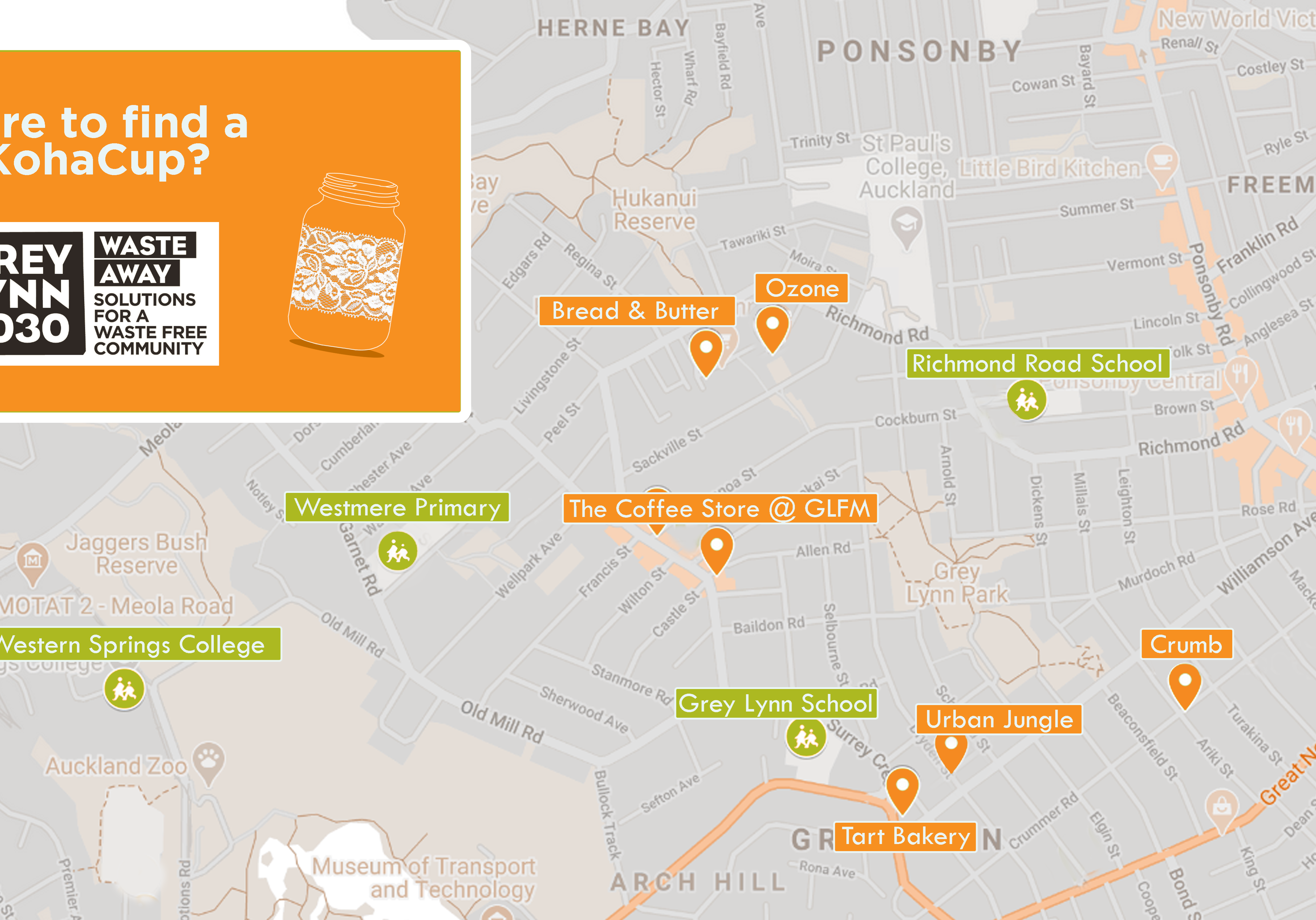
- Participating Cafes: Several local Grey Lynn cafes, including Ozone, Tart, Crumb, Bread & Butter, Urban Jungle, and The Coffee Store at the Grey Lynn Farmers Market, joined the initiative.
- Borrow a Koha Cup: Customers could opt to receive their takeaway coffee in a Koha Cup at no extra charge.
- Enjoy and Return: After finishing their drink, customers were responsible for washing the jar at home.
- Swap for a Fresh One: On their next visit to a participating cafe, they would return the clean Koha Cup and receive their new coffee in a freshly clean one.
- Keep the Sleeve: The handmade heatband was theirs to keep and reuse, adding a personal touch to their future coffee experiences.
Community Engagement and Education
The Cup Project wasn’t just about providing reusable cups; it was also a significant educational initiative. By involving local schools and community members in the creation of the Koha Cups, the project raised awareness about waste reduction and the importance of embracing a circular economy. The visible and tangible nature of the upcycled cups served as a constant reminder of the environmental impact of single-use items.
The launch of the project saw enthusiastic participation, with students even organizing a cycle tour to deliver the first Koha Cups to the participating cafes. This community involvement fostered a sense of ownership and pride in the initiative.
Impact and Legacy
While the initial phase of the Cup Project was an eight-week feasibility study, its impact extended far beyond that period. It successfully demonstrated the viability of a community-led reusable cup system and highlighted the willingness of Grey Lynn residents to embrace sustainable practices.
The Cup Project served as an inspiration for other communities and businesses looking to reduce their environmental footprint. It showcased a model where collaboration, creativity, and a sense of shared responsibility could lead to tangible reductions in waste.
Although the intensive initial phase may have concluded, the spirit of the Cup Project lives on in Grey Lynn. The initiative fostered a greater awareness of the single-use cup problem and encouraged individuals to consider reusable options in their daily lives. The memory of the unique Koha Cups and the community effort behind them continues to inspire a more sustainable approach to takeaway consumption in this environmentally conscious Auckland suburb.
The Cup Project Grey Lynn stands as a testament to the power of community action in addressing environmental challenges, proving that even small, local initiatives can make a significant difference in the journey towards a more sustainable future.