
What's On > News
Electrify Grey Lynn: We’re in Hot Water!

Brrrr! Don’t get caught in a cold shower. If your hot water heater is nearing the end of its life, now’s the time to explore a future-proof solution to heat your hot water. Did you know water heating accounts for roughly 30% of a home’s energy use?
For those looking to move away from gas, proactive research is key before your current system fails. With rising gas prices and decreasing availability, electricity offers a sustainable long-term answer for your hot water needs.
Curious about your options?
Our upcoming educational session will walk you through the possible hot water heating choices available and give you a wider understanding of the options
Panel Discussion
Jerome Partington will lead a panel discussion with experts on different solutions Jerome is an architect with decades of experience, lately at Jasmax in sustainable design and green building technologies. He has led the sustainable design of leading high performance green buildings in Aotearoa NZ.
The Panel will explore domestic hot water options
How can we move to a new mindset of hot water and sustainable living? This is followed by an introduction to state of the art hot water technologies, for retrofitting, new and replacement of existing systems that will help us enjoy sustainable hot water in a climate and cost friendly future.
Session Outline
Wednesday 4th June
465 Great North Rd, Grey Lynn
Meet in the Bar from 5.00 pm
Come early for a catch up, a drink and bite to eat.
6.00 pm
- Welcome from Electrify Grey Lynn
- Hot Water – Current and future opportunities – Jerome Partington
- Hybrid System Solar Heat Pump Energie System – Peter Burrell Alternative Energy CO
- State of the Art Solar Hot Water- Stefan Fortuin
- Dr Grant Bourke of Rinnai
- Mike Day of Panasonic
- Calitec- Peter Ras
- Questions and discussion
- Closing 7.45PM
Electrify Grey Lynn look forward to seeing you at our educational session to help you on the journey of transformation for your home.
The event is free but please do register here.
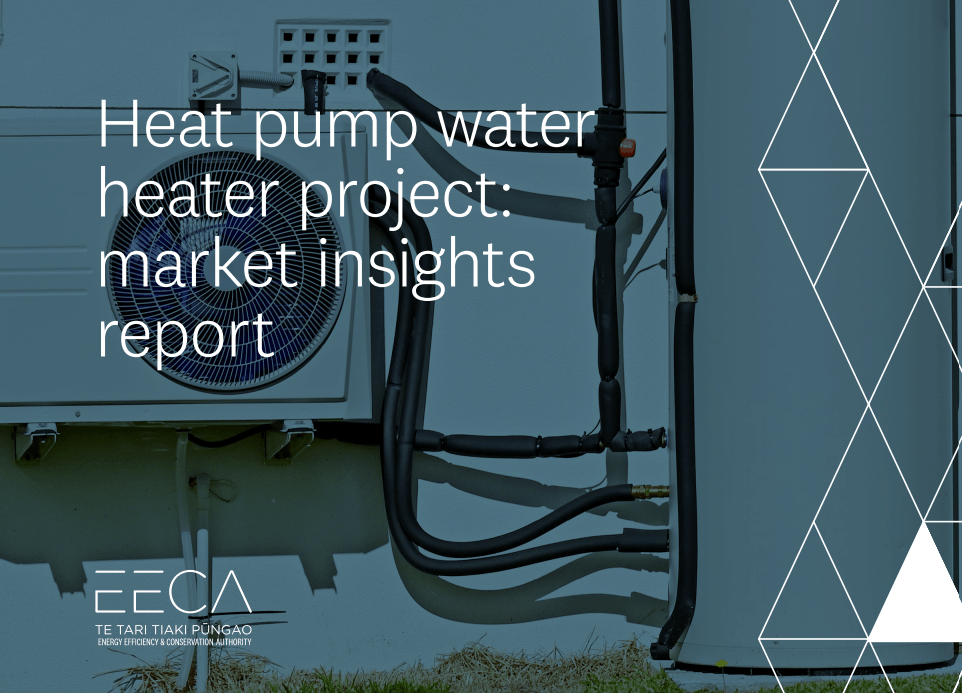
EECA Heat Pump Hot Water Project Report
In June 2025, EECA released this report.
EECA’s report is the first in a series providing insights into residential heat pump water heaters, their real-world performance and the market for them in New Zealand.
The report summarises the findings of a market scan conducted from late-2024 to early-2025. It outlines the current market for heat pump water heaters in New Zealand, including the products available, their claimed performance and their importers/manufacturers.
In the residential sector, hot water makes up a significant proportion of household energy use (estimated at 30%, excluding transport). Adoption of heat pump water heaters offers a significant opportunity to reduce this energy use (by 50% or more).
However, uptake to date in New Zealand has been relatively low, with heat pump water heaters estimated to be less than 1% (12,000) of all hot water systems installed in the nation’s homes.
Despite this, there are a large number of heat pump water heater importers/manufacturers (at least 18). There are also more than 40 different models of heat pump water heaters available, claiming to be suitable for a range of climate conditions and household sizes. Models are either split or integral systems, and take various approaches to connectivity, controllability and refrigerants.
At present, there is no mandated energy-efficiency testing or requirements for heat pump water heaters in New Zealand. However, importers/manufacturers make a number of efficiency (in the form of coefficient of performance or COP) and energy savings claims for their products.
Claims vary by importers/manufacturers, but in general are based on test information (typically AS/NZS 5125 and AS/NZS 4234)1 , and are in the order of a COP of 3 to 4, and energy savings of 60% to 80%, when compared to traditional electric and gas water heating systems.
In practice, the real-world energy savings that heat pump water heaters achieve will depend on many factors. EECA (the Energy Efficiency and Conservation Authority) has a project underway to install around 70 heat pump water heaters in homes across New Zealand and monitor their performance to provide better understanding of the real-world energy savings that such systems might offer.
